
The Vagus Nerve
Could it be the missing piece?
The Vagus Nerve: Why It Matters and How to Strengthen It
The vagus nerve is often called the “wandering nerve”—and for good reason. It travels from the brainstem through the neck and chest and into the abdomen, connecting the brain to many of the body’s most vital organs. In recent years, it’s gained attention for its powerful role in stress regulation, digestion, mental health, and overall resilience.
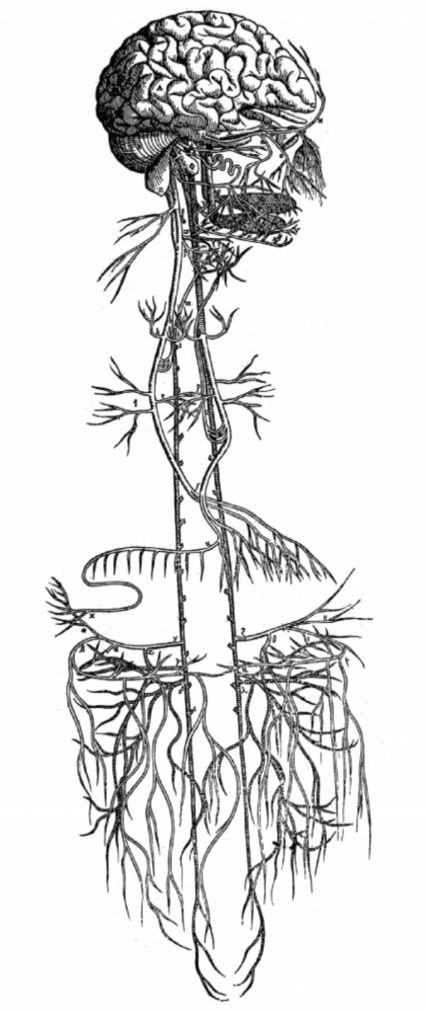
What is the Vagus Nerve?
The vagus nerve is the longest cranial nerve in the body and a major component of the parasympathetic nervous system, often referred to as the “rest and digest” system.
Its main functions include regulating:
Heart rate and blood pressure
Digestion and gut motility
Inflammation and immune response
Breathing patterns
Mood, emotional regulation, and social connection
When the vagus nerve is functioning well, the body can efficiently shift out of stress mode and return to a state of calm and balance.
What Does “Vagal Tone” Mean?
Vagal tone refers to how effectively the vagus nerve can activate the parasympathetic response.
High vagal tone = better stress resilience, emotional regulation, and physical recovery
Low vagal tone = increased anxiety, inflammation, digestive issues, and difficulty relaxing
Vagal tone is often associated with heart rate variability (HRV)—a marker of how adaptable your nervous system is.
Benefits of a Healthy Vagus Nerve
Improving vagal tone may support:
1. Stress & Anxiety Reduction
A strong vagal response helps calm the nervous system after stress, reducing chronic fight-or-flight activation.
2. Better Digestion
The vagus nerve stimulates stomach acid, digestive enzymes, and gut motility, helping reduce bloating, constipation, and discomfort.
3. Reduced Inflammation
The vagus nerve plays a key role in the inflammatory reflex, helping regulate immune responses and lower chronic inflammation.
4. Improved Mood & Mental Health
Healthy vagal tone is linked to lower rates of depression, improved emotional regulation, and stronger social engagement.
5. Heart Health
By slowing heart rate and improving heart rate variability, the vagus nerve supports cardiovascular health
Best ways to strengthen
your vagal tone:
Tapping - see the reel right before this post for a how-to
Diaphragmatic breathing
Gargling
Humming
Chanting OM (think yoga/chakra work)
Gazing exercise
Cold water
Tickling/massage of the face, neck and scalp
Acupuncture
Fasting
Binaural beats/frequencies